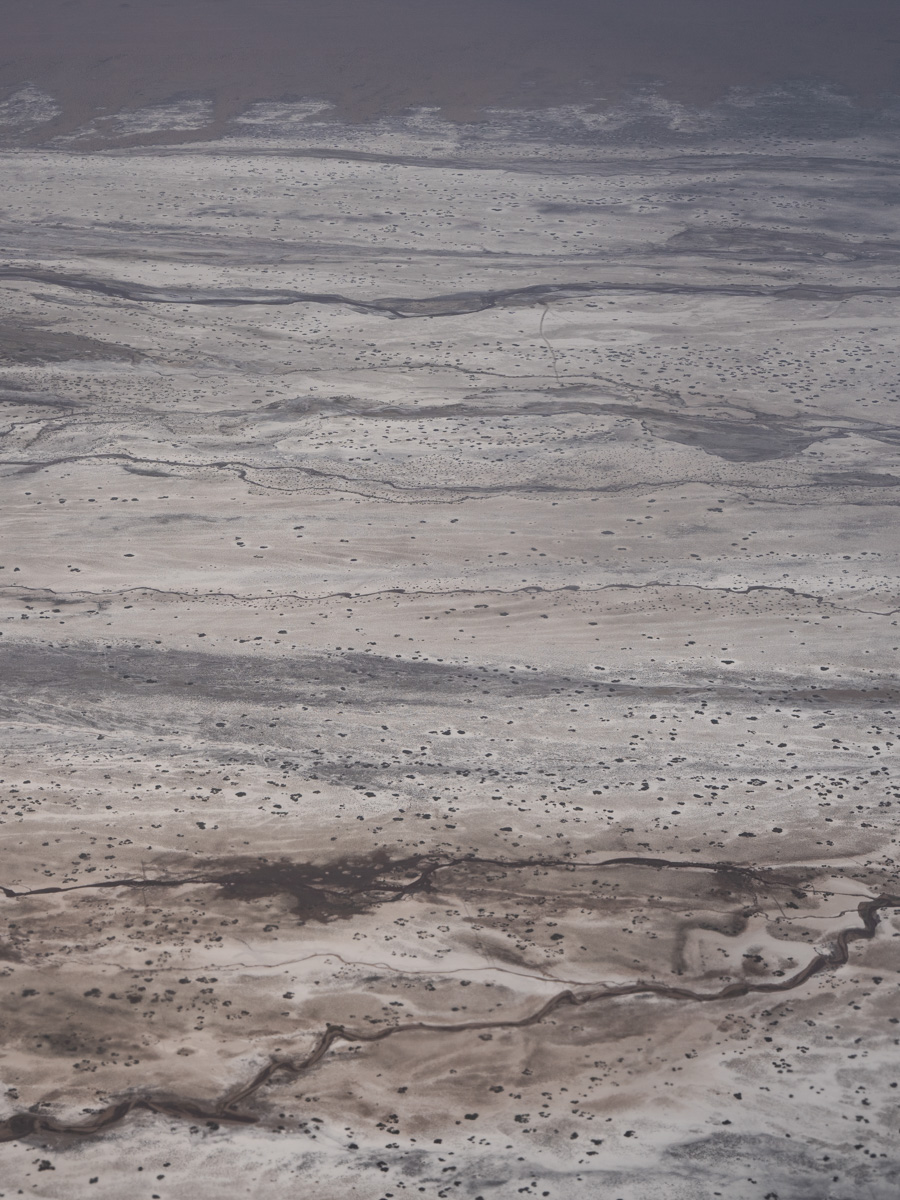

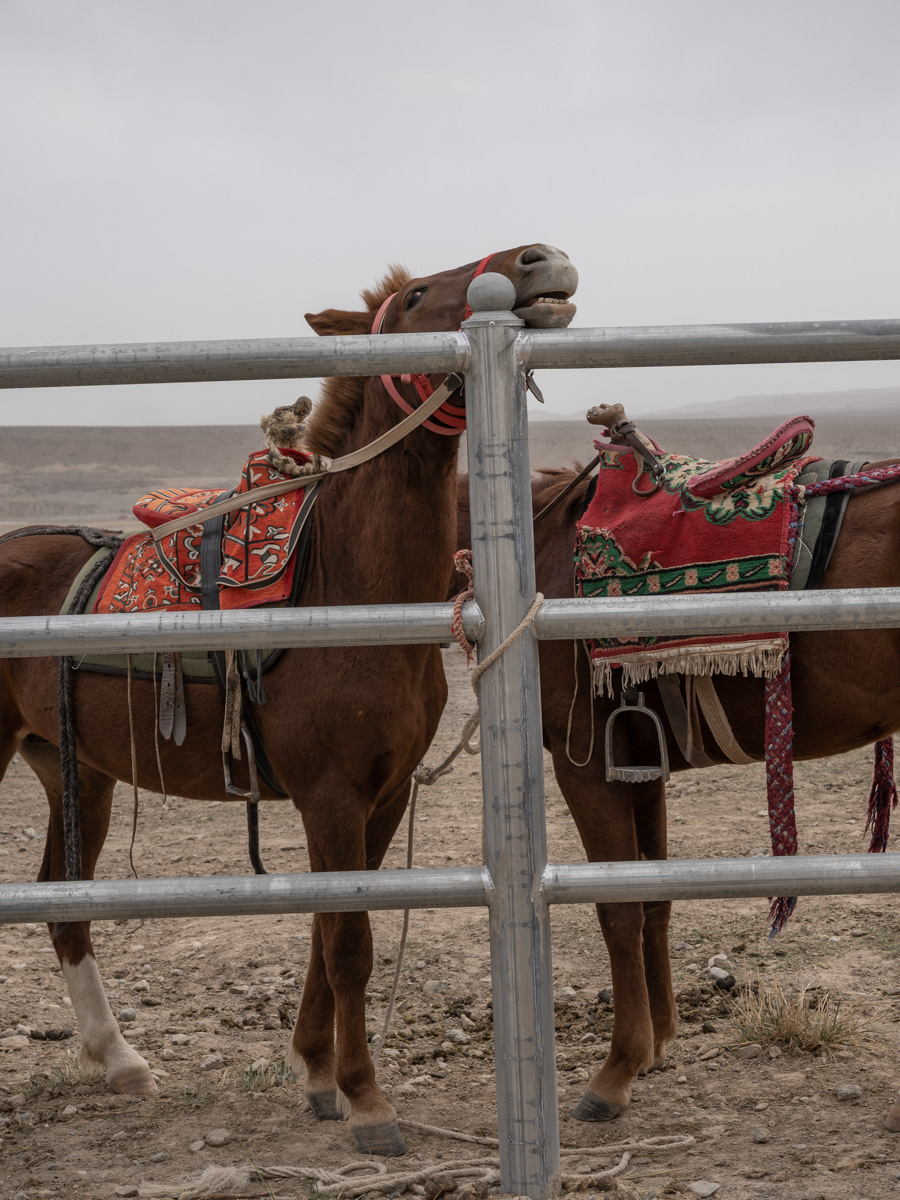
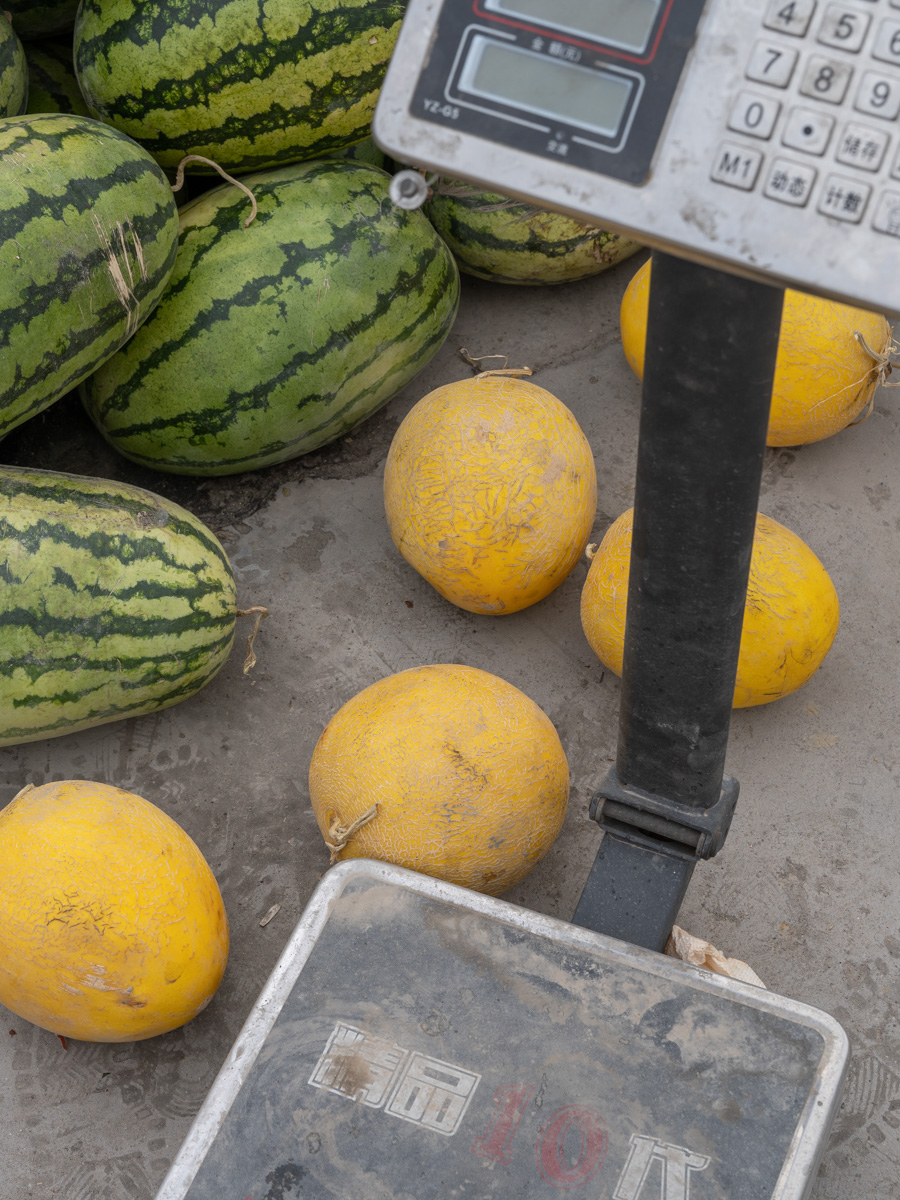
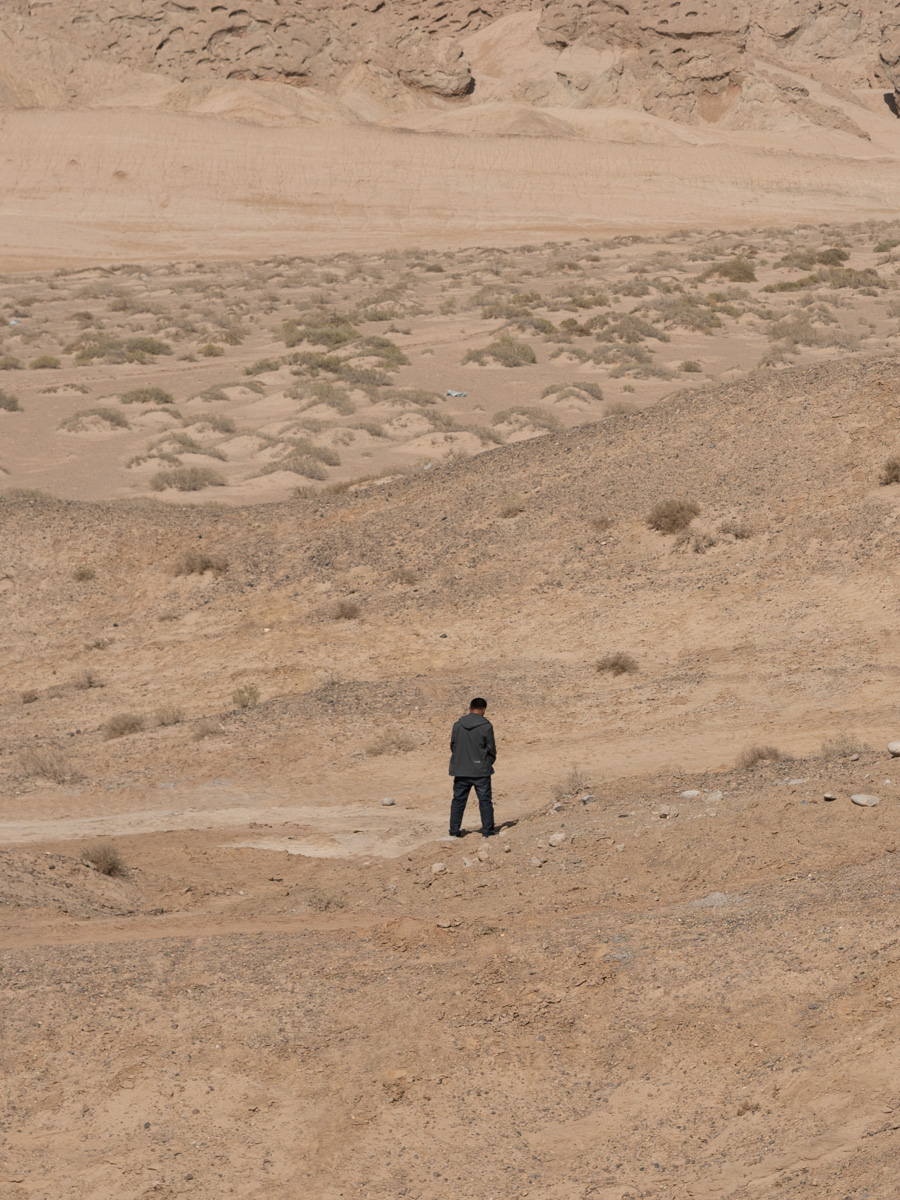
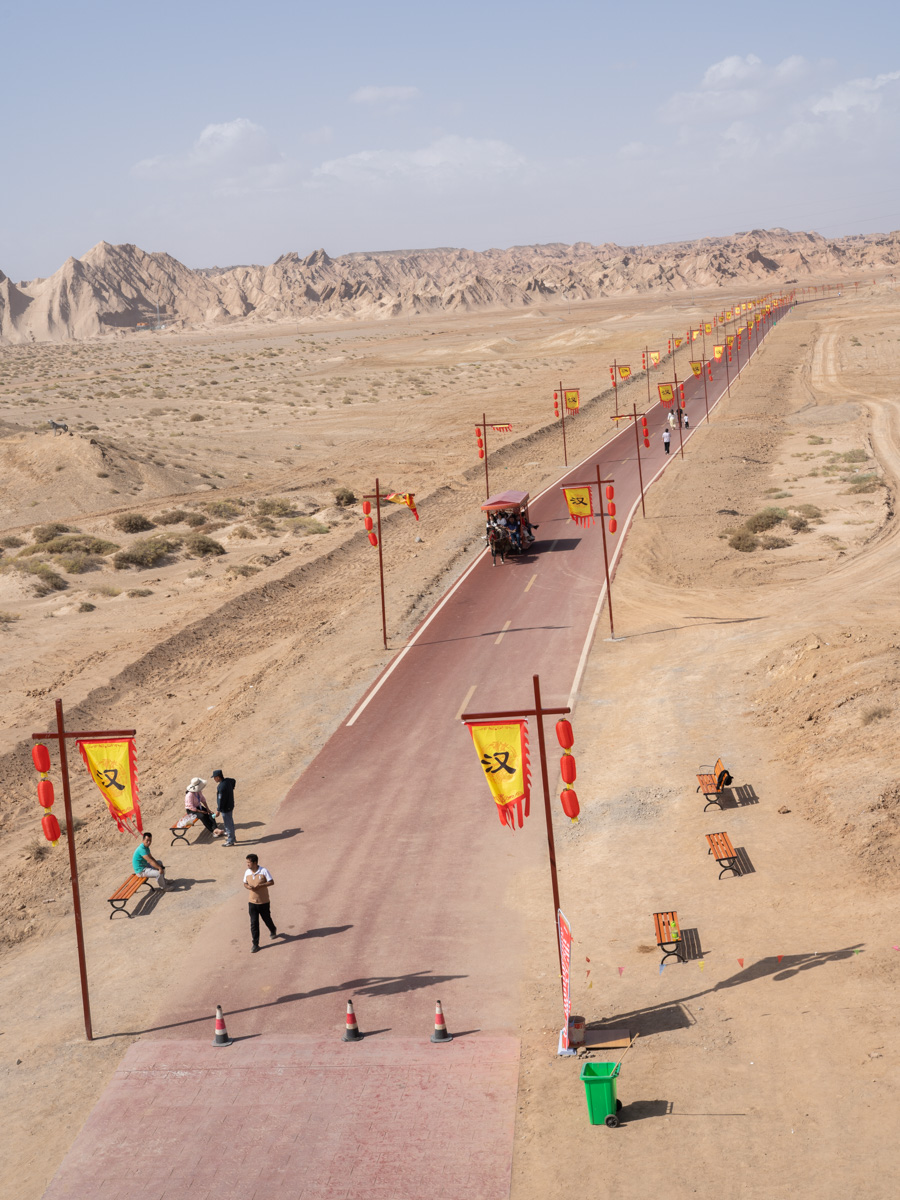


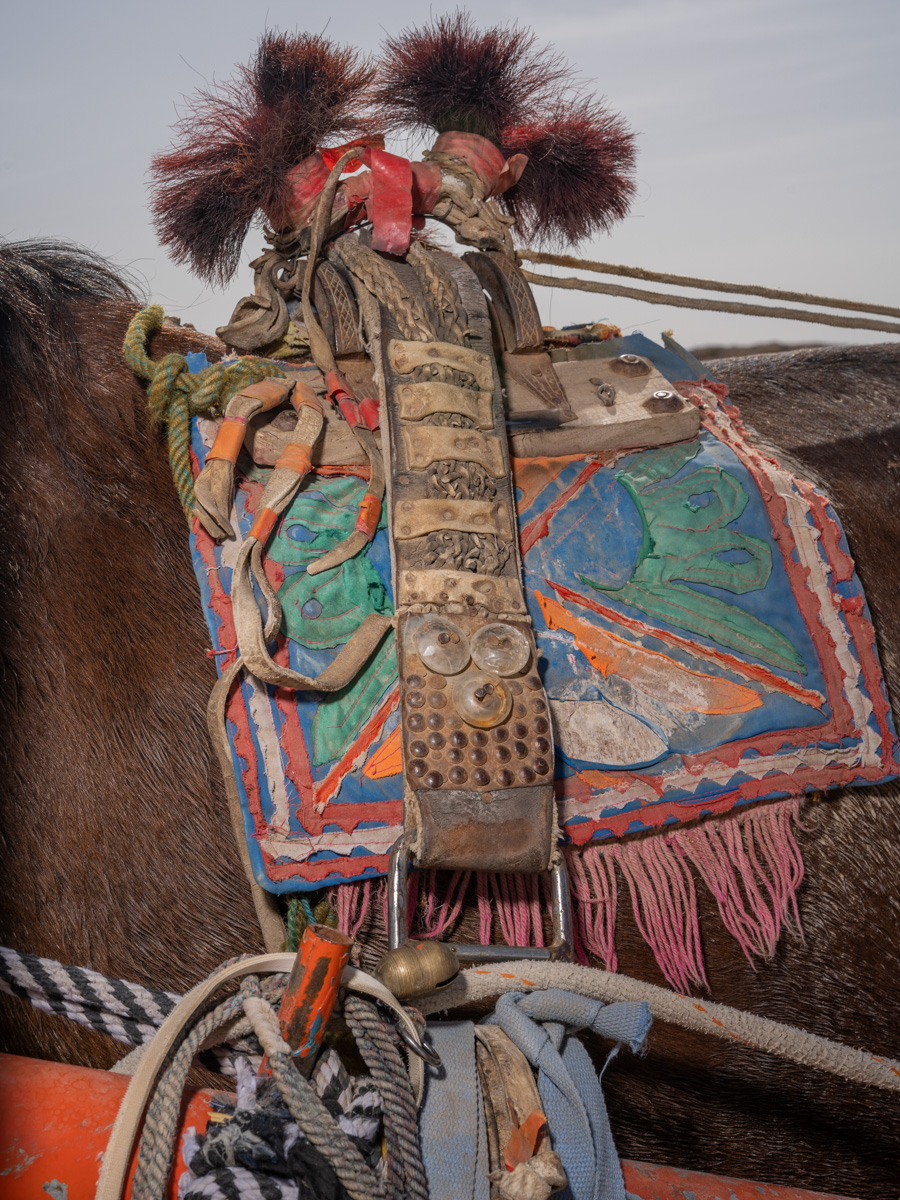



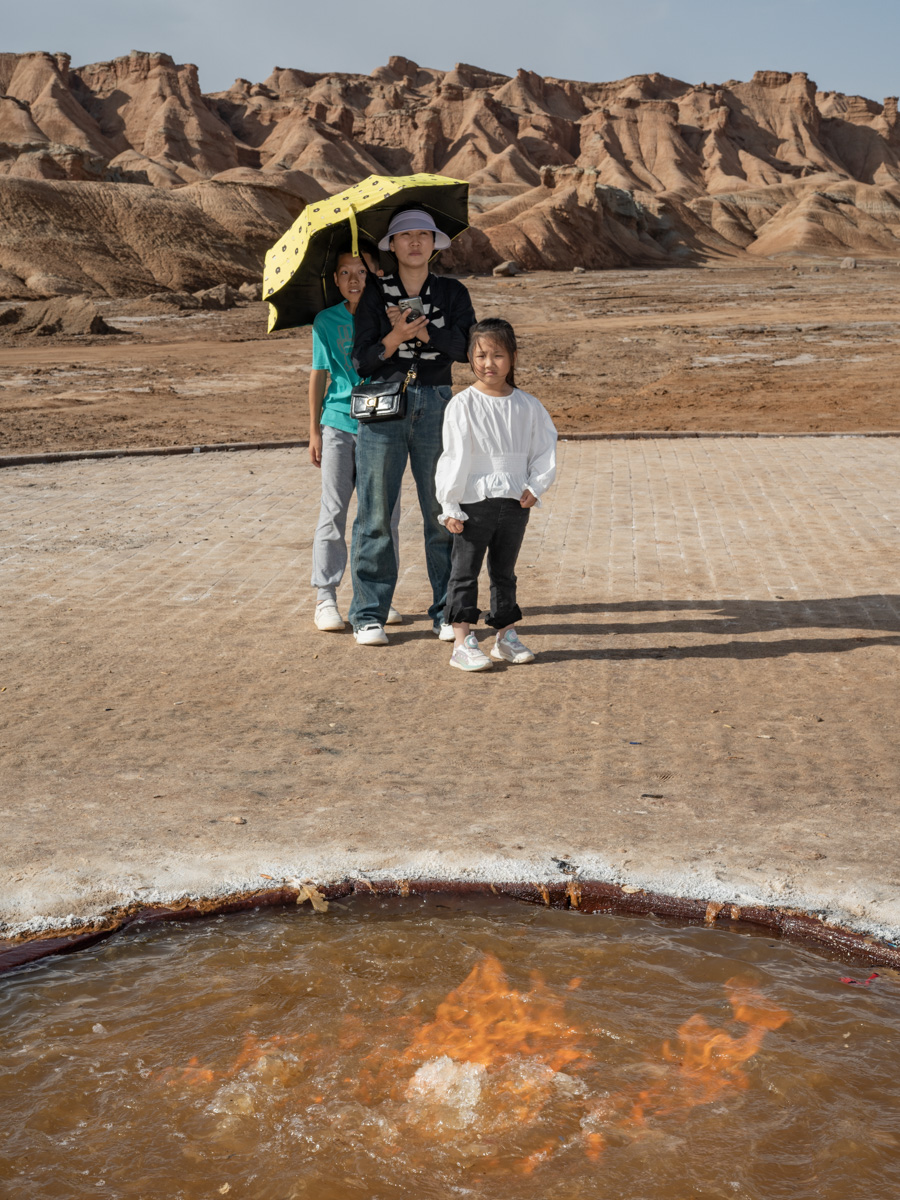



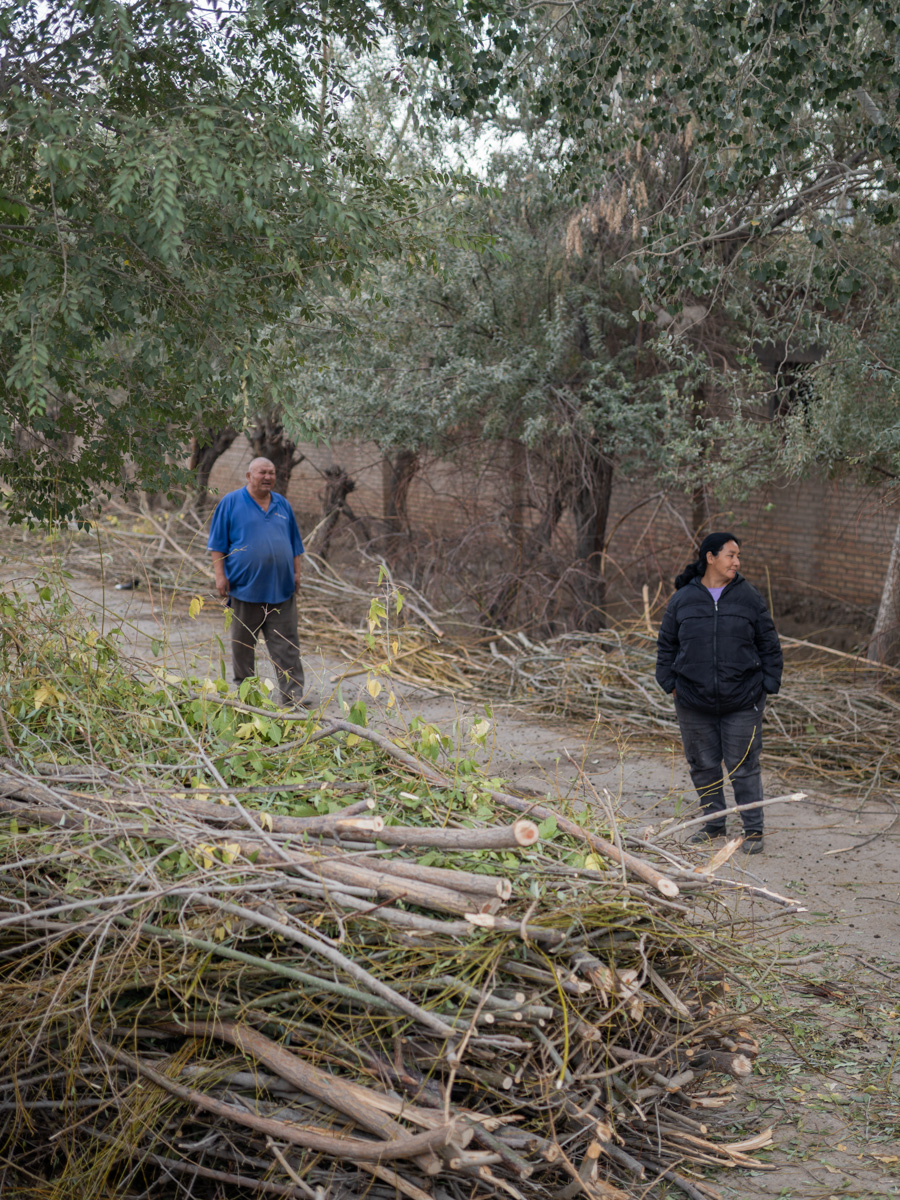

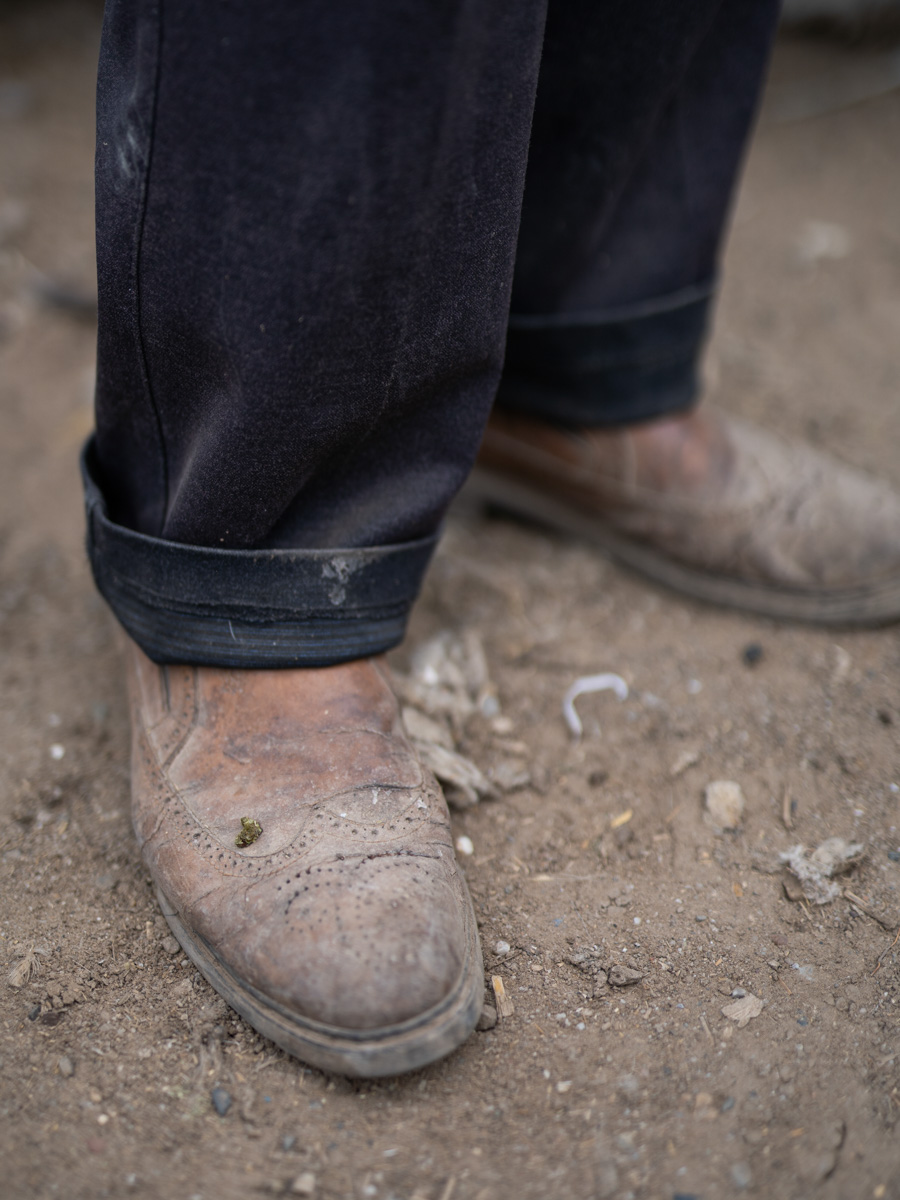

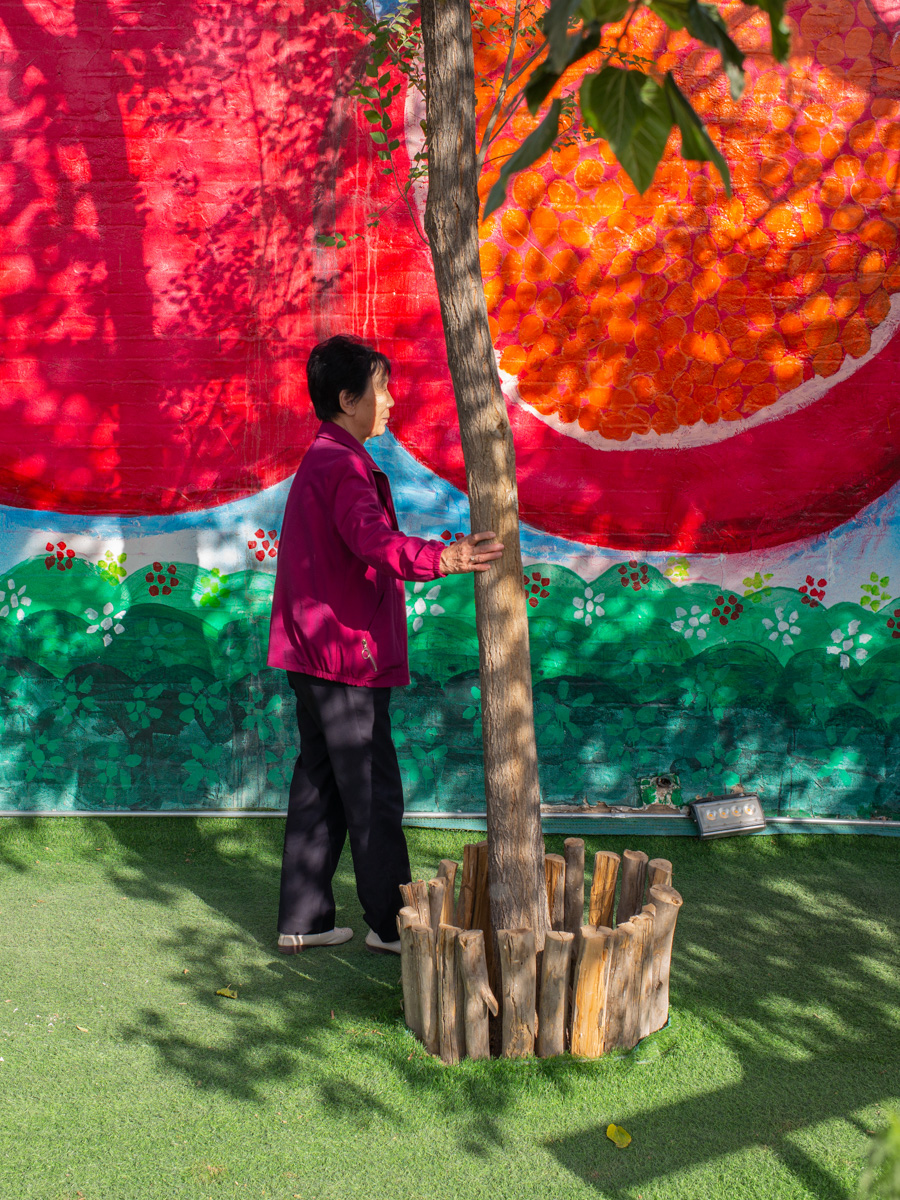
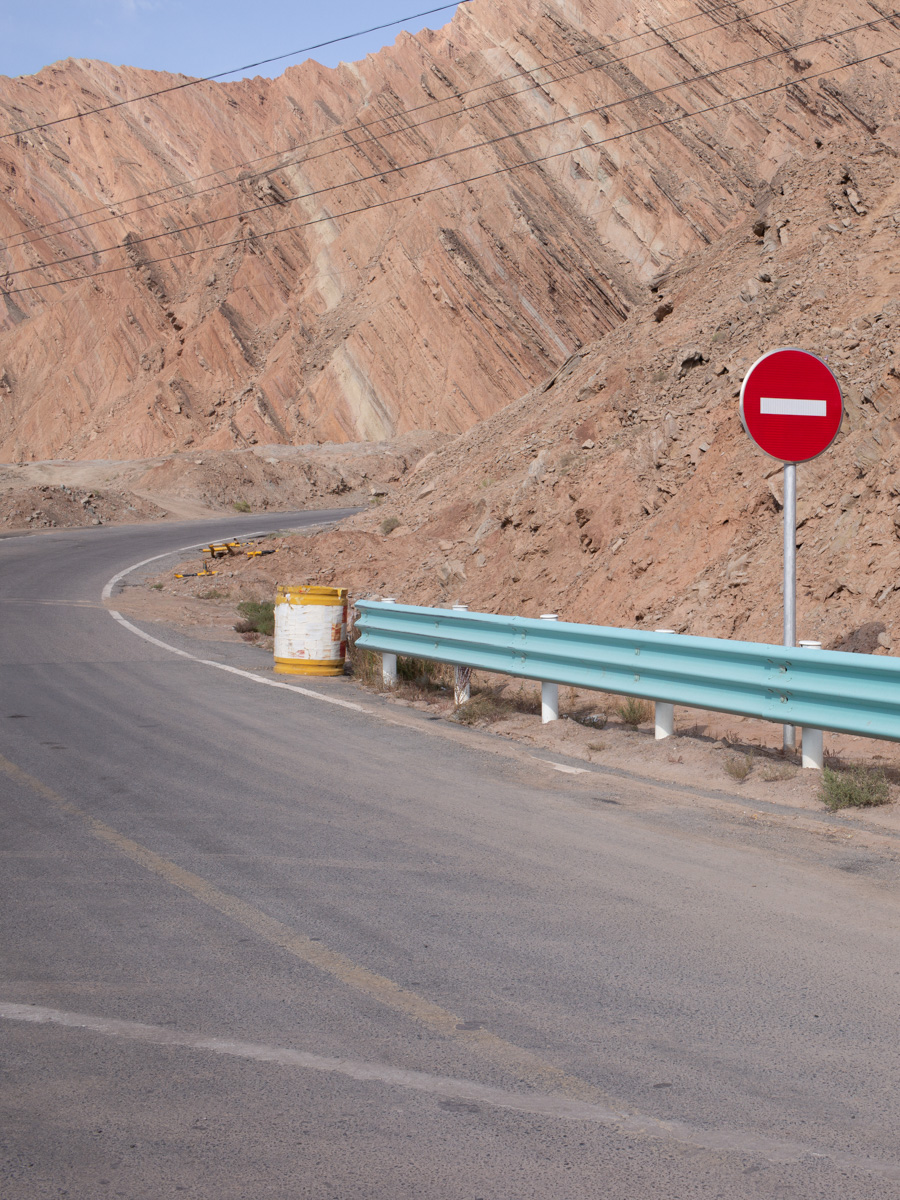
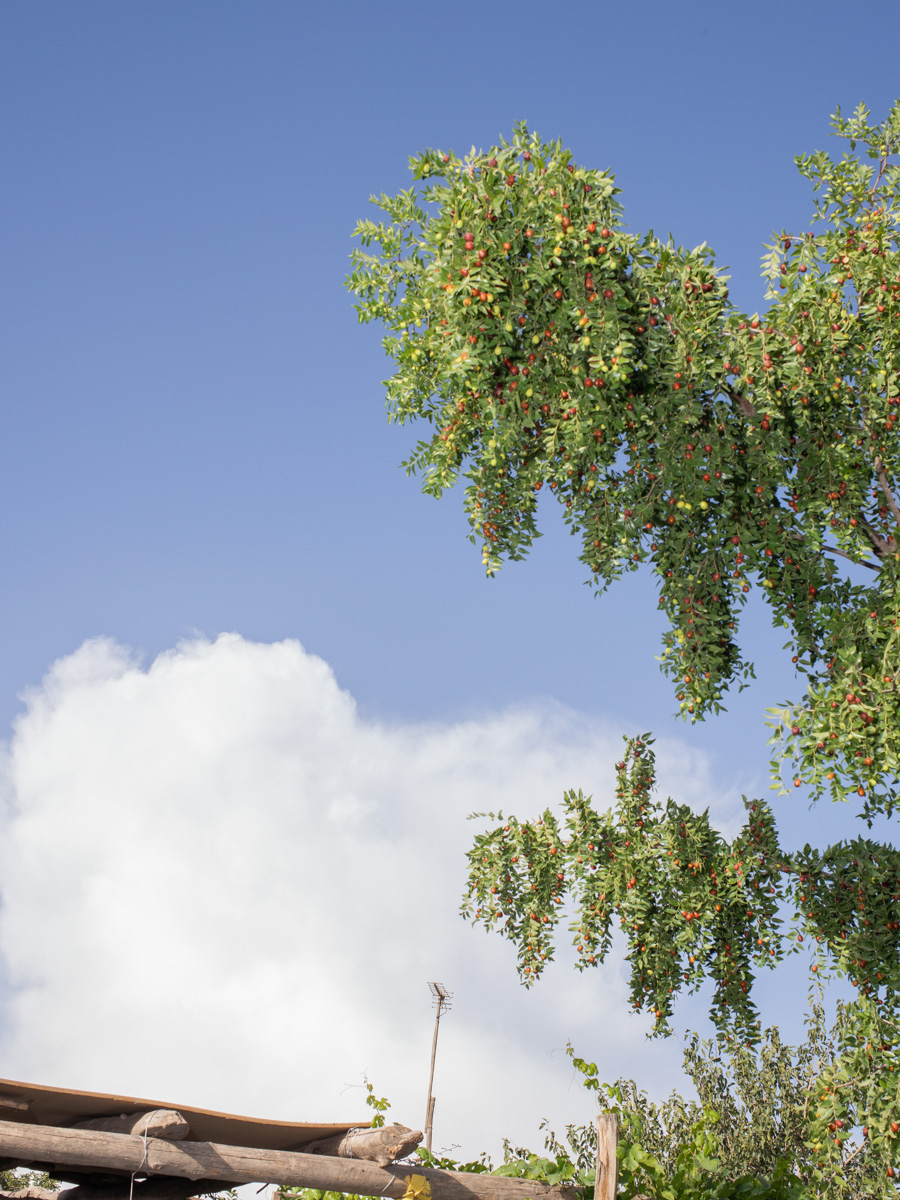
In October, the southern foothills of the Tianshan Mountains are thick with suspended dust and shimmering heatwaves. The yellowish-brown Gobi Desert stretches out like an infinite canvas, expanding toward the very edge of the universe.
In the 7th century, the Tang Dynasty monk Xuanzang journeyed here alone, carrying his basket of scriptures on his back. In Aksu, he engaged in a fierce theological debate with the local high monk Mokshagupta, before braving the treacherous snow and ice to cross the Tianshan Mountains on his pilgrimage for ultimate truth.
Between the 11th and 14th centuries, the warhorses of the Kara-Khanid Khanate and the imperial decrees of the Chagatai Khanate swept through the region. The Kizil Caves were engulfed in fire, and the chanting of Buddhist monks was irrevocably replaced by the Islamic call to prayer.
Then, in the 1940s, a band of young Chinese Christians, possessing nothing but their simple belongings, journeyed upstream against the billowing desert sands. They quietly arrived here, spending decades in prison, shedding sweat, and offering their very lives to love every single soul in this wilderness.
Upon this arid oasis, history stands as a silent witness, posing a timeless question to every passerby: When the outer garments of religious structures fade away into the wind, what is it that truly endures for eternity?